Blog
2026's Successive Heatwaves in Europe: Building Resilient Infrastructure for a Changing Climate
August 27, 2026

Recent heatwaves across Europe have underscored the urgent need to design infrastructure for a changing climate. Western Europe recorded its hottest June on record in 2026, with several countries experiencing prolonged heatwaves and temperatures exceeding 40°C.
The extreme heat disrupted transport networks, increased pressure on energy systems, strained water resources, and intensified heat in urban areas. In Germany, sections of the A2 motorway buckled and had to be closed as temperatures approached 40°C, while in France, extreme heat forced rail operators to cancel trains and hundreds of schools to close. In Hungary, authorities temporarily shut down most of the country’s only nuclear power plant after low water levels in the Danube made it unsafe to continue using the river for cooling. Together, these events show how a single heatwave can strain transport, energy, and water systems across the continent.
These disruptions are likely to become more frequent. According to the Intergovernmental Panel on Climate Change (IPCC), Europe is one of the fastest-warming continents, and under a high-emissions scenario, the number of extreme heat days across Central Europe could double or even triple by 2050.
As climate risks intensify, infrastructure planning must evolve to ensure that assets and systems remain resilient, adaptable, and effective over the long term. Achieving this requires collaboration across governments, infrastructure providers, researchers, insurers, financiers and local communities to integrate climate resilience into planning, investment, and decision-making.
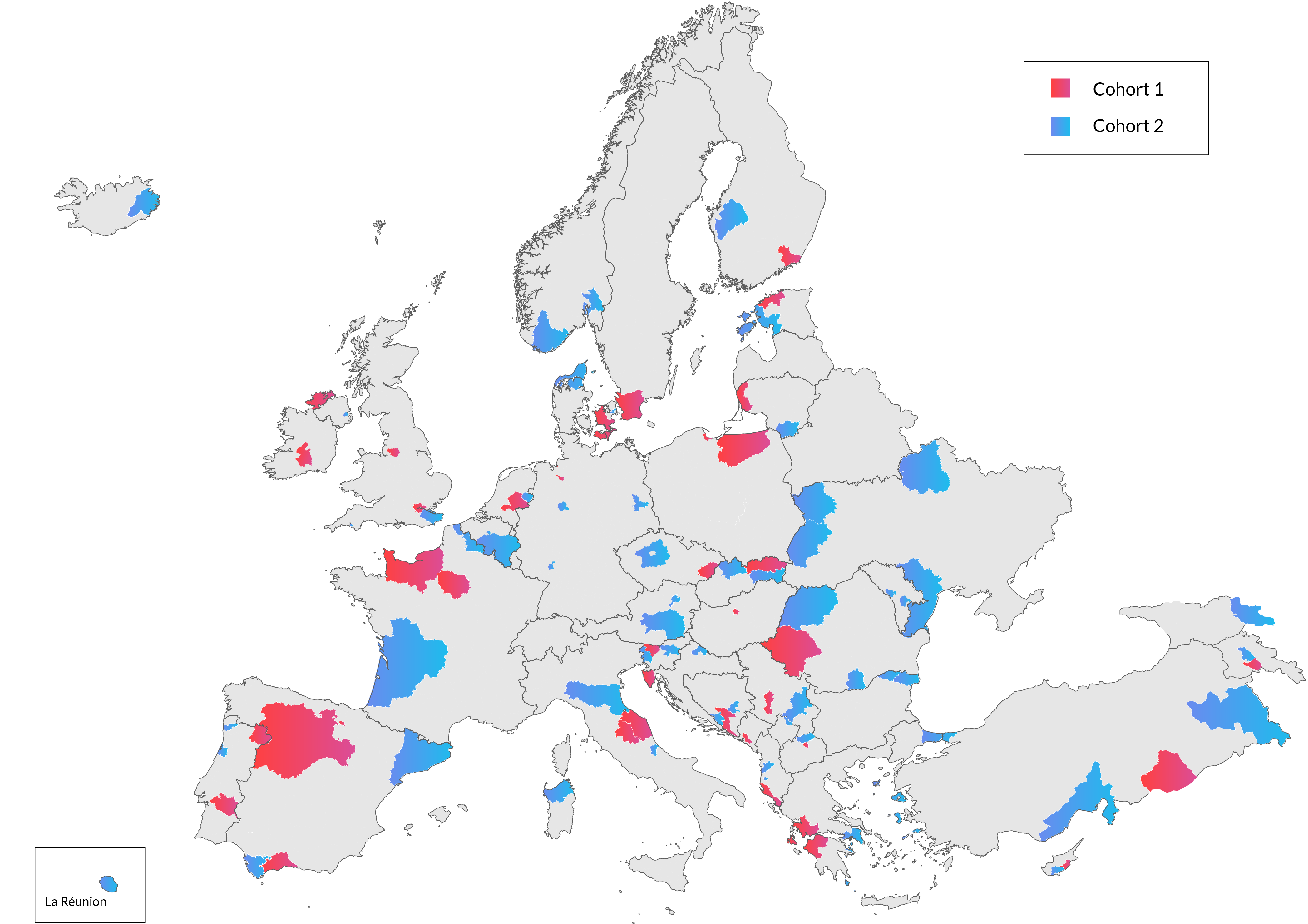
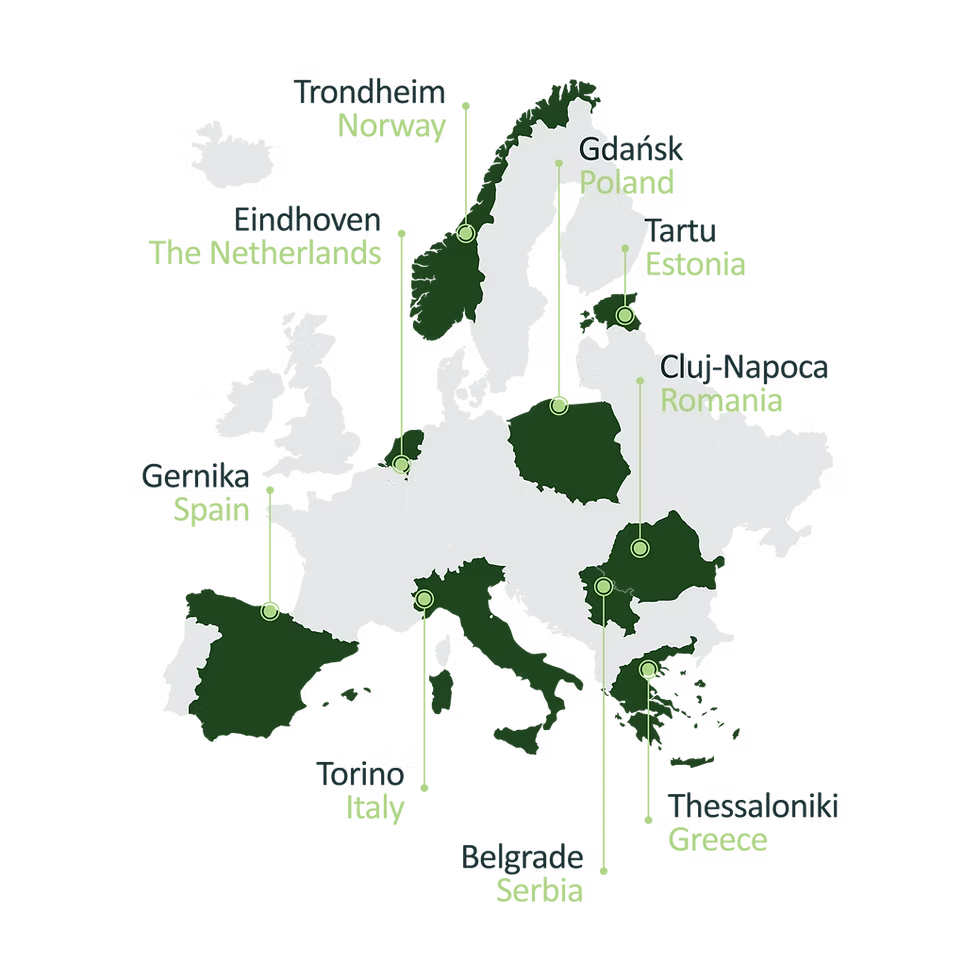
Through collaborative European initiatives, the Global Infrastructure Basel Foundation (GIB) works with regional authorities, cities and project partners to support more resilient approaches to infrastructure planning. Among these initiatives are Pathways2Resilience, Med-IREN, Re-Value and ClimaGen, which address different aspects of infrastructure resilience across regional and urban contexts. Some of the key strategies emerging from these initiatives include:

As we continue to face global challenges like climate change and biodiversity loss, Nature-based Solutions (NbS) stand as a powerful tool for creating sustainable infrastructure. Our goal is to close the financing gaps, build strong partnerships, and catalyse a widespread adoption of NbS, unlocking their full potential for climate mitigation, adaptation, and long-term sustainability.
- Juraj Jurik, Director of Infrastructure & Nature
Building climate resilience into infrastructure is an ongoing process, one that brings together planning, investment, and collaboration across different levels of government and society. Initiatives such as Pathways2Resilience and ClimaGen show how locally informed approaches can strengthen resilience, while generating lessons that can be adapted and applied across different regions and contexts. Through this work, GIB continues to contribute its expertise in resilient infrastructure, climate adaptation, and sustainable finance to support infrastructure planning for a changing climate.
.jpg)
.jpg)

