Infrastructure &
Non-Motorised Transport in the City of Jaipur
Feasibility and conditions of a realization of a non-motorized transport (NMT) scheme in the “walled city”.
January 2016 to January 2017
City of Jaipur, India
The long-term goal would be to transform the walled city into a worldwide renowned low-carbon, resource efficient, liveable and resilient area that combines state-of-the-art sustainability and resilience measures with smart cities approaches. The implementation of this project would contribute to the India’s National Action Plan on Climate Change (NAPCC) in reducing greenhouse gas emissions, simultaneously to gain other benefits such as reducing road-congestion and accidents, local air and noise pollutions, which will lead to improvement of public health.



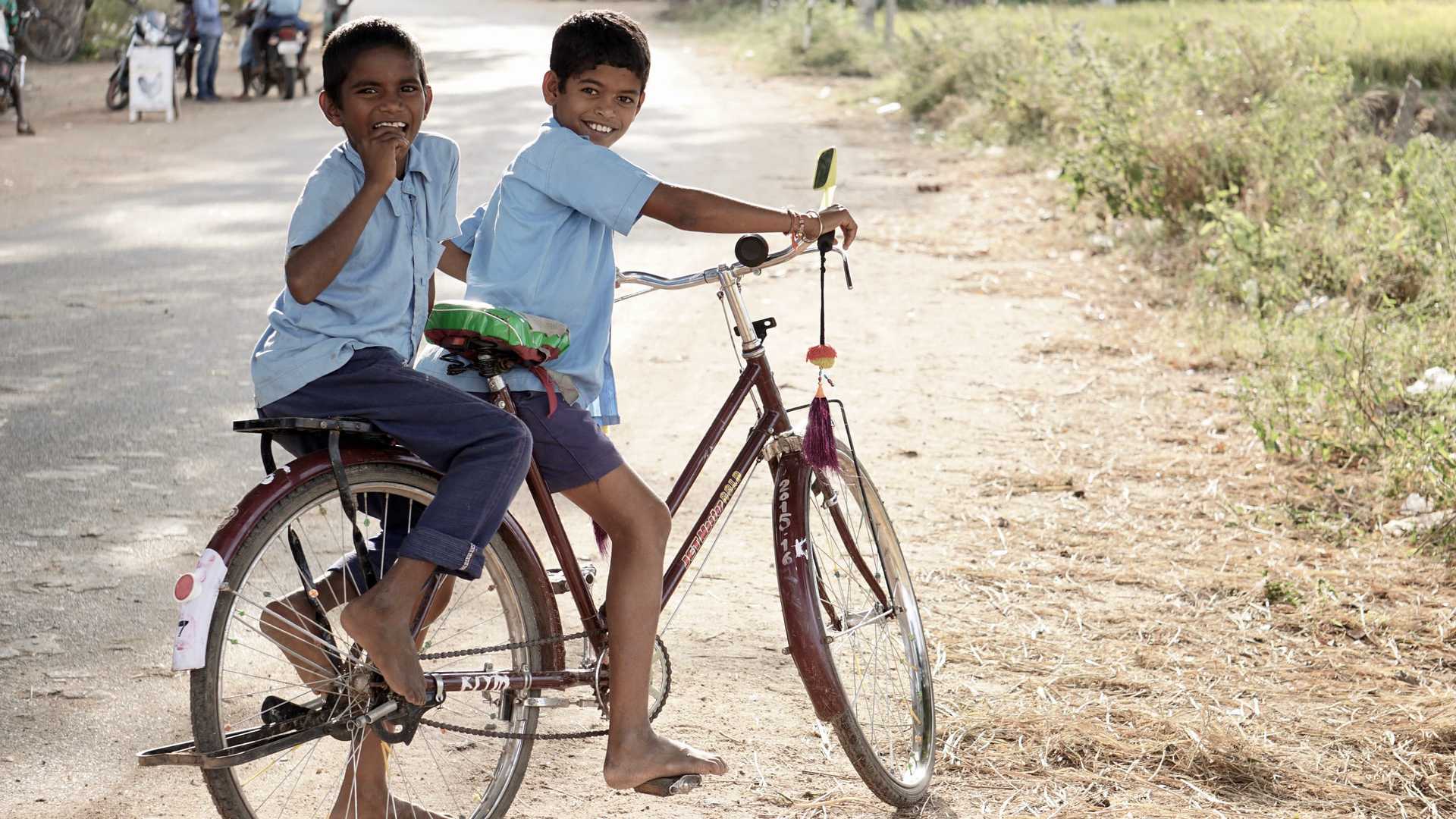
Increased levels of transport related pollution, negative impact on human health and wellbeing, unsafe environment for children.
Development of a network of Non-Morotized Transport (NMT) areas that are interconnected and eventually united; in order to transform the whole “walled city” into a state-of-the-art NMT area. NMT modes mainly include: walking, cycling, small-wheeled transport (skates, skateboards, push scooters and hand carts), cycle rickshaws and wheelchair travel, which are all non-polluting modes of transport.
.jpg)
.jpg)
.jpg)
%20(2).jpg)


.jpg)