Infrastructure &
Resource Efficient Cleaner Production Dahej
Smartscan assessment and training for resource-efficient cleaner production
Dahej, India
UNIDO
This project aimed to enhance knowledge of industries regarding sustainability and resilience under the context of a UNIDO programme, Resource Efficient Cleaner Production (RECP). Specifically, GIB worked with industry partners on topics such as improving production efficiency, environmental management, and human development through training in, and application of the SuRe® Standard.



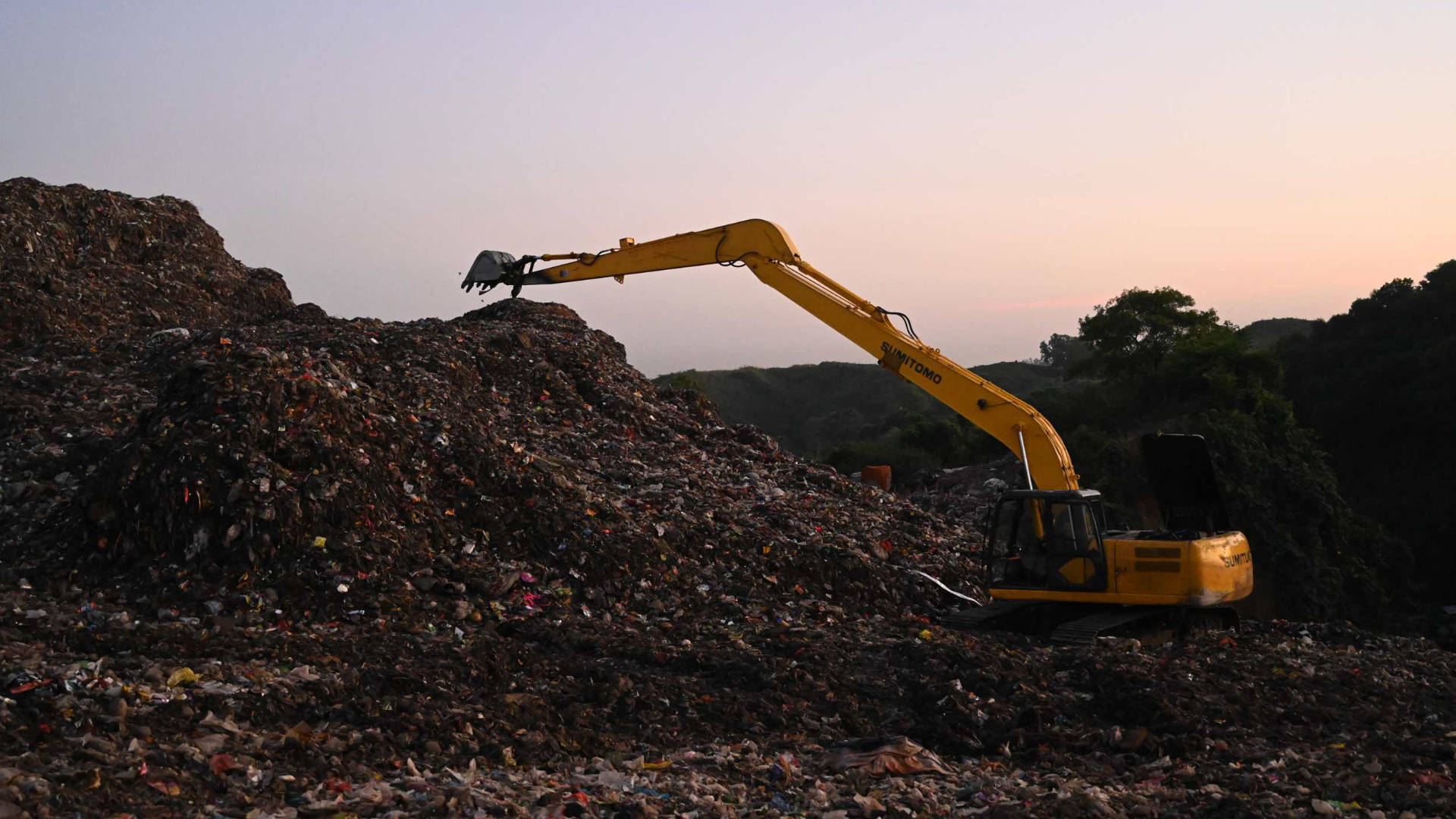
Industrial waste is a serious social and environmental problem in India. By encouraging resource efficient cleaner production, systems thinking, and principles of industrial symbiosis, the levels of harmful waste and resource consumption can be drastically reduced. In low lying areas and lower socioeconomic regions, problems can be multiplied by the impacts of climate change, and increasing competing demands on resources such as fresh water.
By engaging with local experts and professionals, we created a dialogue and mutual learning space surrounding improved resource efficiency and cleaner production and the related infrastructure particularly in eco-industrial parks. We aimed to tackle the most tangible and material issues at a project level and within the broader system of eco-industrial parks. For example, exploring the interconnectivity between critical infrastructure systems which underpins and forms the fundamental building blocks for enhanced resource efficiency and cleaner production and therefore contributes to improving the overall impact of RECP. These included energy production, water treatment, waste management and transport systems, which are responsible for maintaining the resilience and sustainability of most business activities. These are essential in achieving sustainable supply chains, and ‘cradle-to-grave’ product life cycle benefits, as well as reducing waste and resource use. We also worked to foster innovative approaches to identifying opportunities to reduce resource consumption and waste production; for example, waste and by-product synergies, new technologies and nature-based solutions. By working closely with local counterparts, and delivering training and project assessment based on the SuRe® standard, we hope to strengthen the immediate RECP goals, whilst contributing to the broader understanding of the underlying interconnected systems which impact sustainability and resilience in this context and globally.
.jpg)
.jpg)
.jpg)
%20(2).jpg)



.jpg)